
- Cars2wd.com
- Tesla
- 2025 Tesla Camper Van
2025 Tesla Camper Van Price & Specs , Pros & Cons
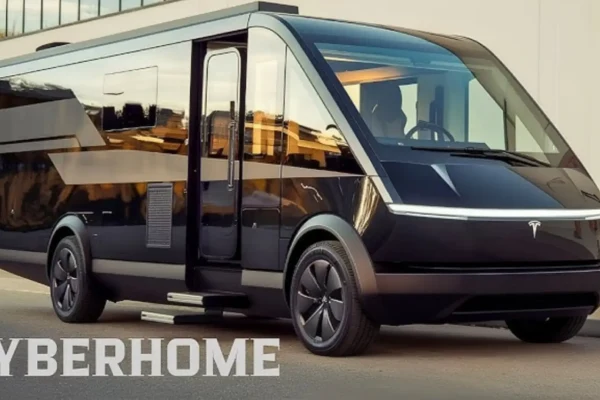
2025 Tesla Camper Van Pictures


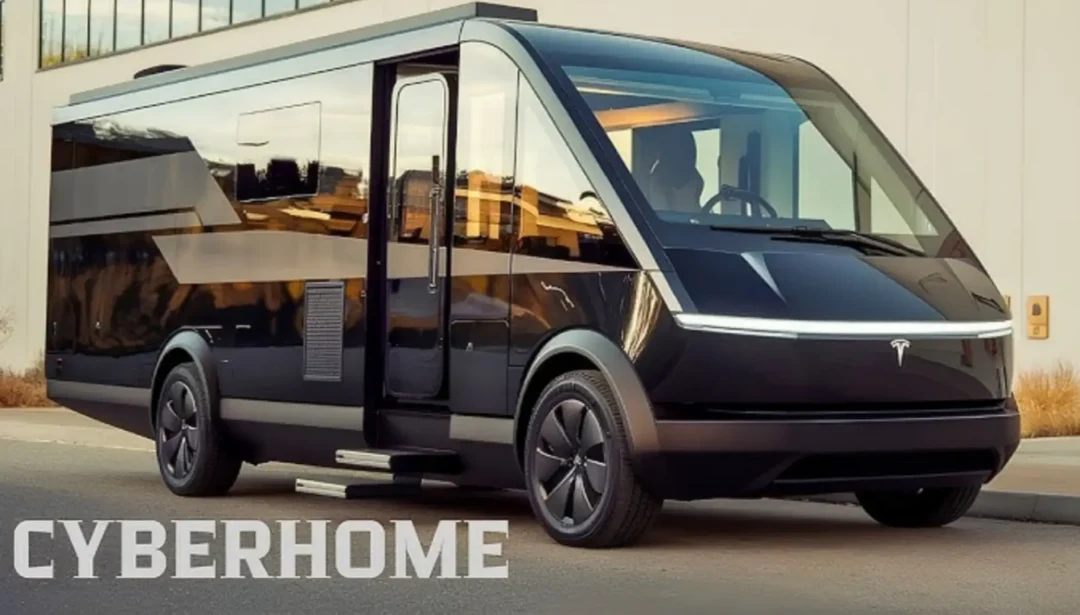
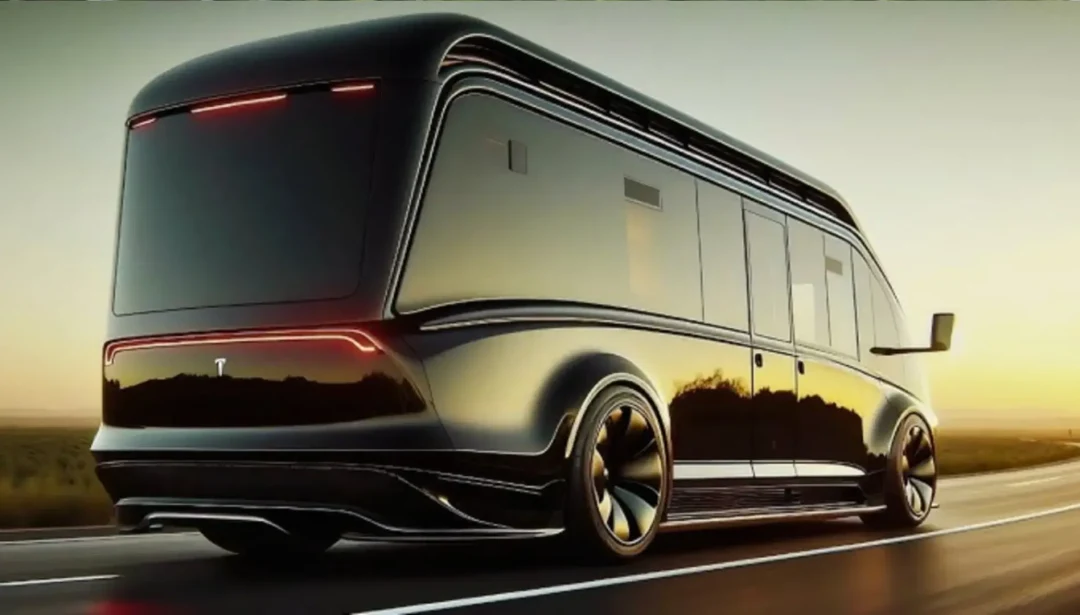
2025 Tesla Camper Van Price
| Important Note | The price of this device is in US dollars with conversion to local currencies, The price may vary from country to country for several reasons. |
US 
|
90000 Dollar |
EU 
|
81900 Euro |
UK 
|
70200 Pound |
Australia 
|
135000 Dollar |
Canada 
|
120600 Dollar |
India 
|
7458300 Rupee |
Indonesia 
|
1398420000 Rupiah |
Philippines 
|
5022900 Peso |
Nigeria 
|
90000 Naira |
Russia 
|
7916400 Ruble |
Pakistan 
|
24916500 Rupee |
Saudi Arabia 
|
337500 Riyal |
The 2025 Tesla Camper Van: A Glimpse into the Future of Sustainable Travel
As the electric vehicle (EV) revolution accelerates, the idea of an all-electric camper van by Tesla is generating excitement among adventure seekers and sustainability enthusiasts alike. While Tesla has yet to officially confirm a 2025 Camper Van, concept designs and third-party developments suggest what such a vehicle might look like—combining Tesla’s cutting-edge EV technology with the comforts of modern mobile living.
The Vision of a Tesla Camper Van
The Tesla Camper Van would likely be an all-electric, self-sustaining mobile home designed for long road trips, off-grid exploration, and environmentally friendly travel. Drawing from the powertrains used in Tesla’s existing lineup, such as the Model X or Cybertruck, the camper van could offer impressive range and performance.
Expected to feature a dual-motor all-wheel drive system, the van might deliver a range of 400 to 600 miles per charge, powered by a large battery pack estimated around 200–300 kWh. It would also support fast charging via Tesla’s Supercharger network, making long journeys more feasible.
Inside the Electric Oasis
One of the most compelling aspects of a Tesla Camper Van would be its interior. Designed to accommodate 4–6 passengers, the space would transform seamlessly from a daytime lounge to a nighttime sleeping area. Convertible seating, integrated beds, and smart storage solutions would make the most of the available space.
A compact kitchenette might feature an induction cooktop, sink, refrigerator, and ample storage—allowing travelers to prepare meals on the go. In addition, a small bathroom equipped with a composting toilet and a compact shower would offer essential amenities without sacrificing space.
Off-Grid Capabilities
The Tesla Camper Van would likely support off-grid living with solar panels integrated into the roof to supplement energy needs. Combined with a Tesla Powerwall-style storage system, the van could provide reliable electricity for days, even in remote locations.
A water recycling system could allow for minimal freshwater use, while features like Starlink satellite internet would ensure connectivity far from urban centers. Together, these systems would make the Tesla Camper Van a true mobile basecamp.
Technology & Safety
Autopilot and Full Self-Driving capabilities would enhance both highway and city driving. Standard Tesla safety features—like automatic emergency braking, lane-keeping assist, and blind-spot monitoring—would also be part of the package, ensuring peace of mind on long trips.
Potential Drawbacks
Of course, innovation comes at a cost. A Tesla Camper Van would likely command a premium price due to its high-end features and technology. Additionally, the large size and weight of a fully-equipped van might affect range and maneuverability. Charging infrastructure, while expanding, can still pose challenges in remote regions.
The CyberTrailer Connection
While the Tesla Camper Van remains a concept, real-world examples of Tesla-compatible living solutions are emerging. One example is the CyberTrailer by Living Vehicle—a luxury, solar-powered trailer designed to be towed by the Tesla Cybertruck. It features many of the same capabilities envisioned for a Tesla camper, including renewable energy systems, high-end interiors, and off-grid functionality.
🟩 2025 Tesla Camper Van: Pro
🟢 Electric Powertrain:
A powerful electric motor, similar to those used in Tesla’s cars, could provide ample power and torque.
🟢 Long-Range Battery:
A large, high-capacity battery pack would enable extended travel distances without needing frequent charging.
🟢 Solar Panels:
Integrated solar panels could help recharge the battery while parked, reducing reliance on external charging sources.
🟢 Self-Driving Capabilities:
Tesla’s Autopilot technology could be adapted for motorhomes, offering advanced driver-assistance features and potentially even autonomous driving capabilities.
🟢 Luxurious Interior:
A spacious and luxurious interior with comfortable seating, a well-equipped kitchen, and modern amenities.
🟢 Smart Home Integration:
Integration with Tesla’s smart home technology, allowing remote control of various functions like climate control and security systems.
🟢 Environmental Friendliness:
No emissions, making it a more environmentally friendly option compared to traditional gas-powered motorhomes.
🟥 2025 Tesla Camper Van: Cons
🔴 High Initial Cost:
Given Tesla’s premium pricing, it’s likely that a Tesla motorhome would be significantly more expensive than traditional gas-powered models.
🔴 Limited Charging Infrastructure:
While the charging infrastructure for electric vehicles is expanding, it may not be as widespread as traditional gas stations, especially in remote areas.
🔴 Range Anxiety:
Despite long-range batteries, some users may still experience range anxiety, especially on long trips.
🔴 Weight and Size:
A Tesla motorhome would likely be heavier and larger than traditional models, which could impact handling and maneuverability.
🔴 Limited Availability:
Initially, availability might be limited as Tesla ramps up production.
🔴 Technological Complexity:
With advanced technology comes the potential for more complex systems and potential for malfunctions.
2025 Tesla Camper Van Specifications
SPECIFICATIONS
| Model Year | 2025 |
| POWER | All-electric drivetrain with dual motors |
| DRIVETRAIN | Dual Motor All-Wheel Drive (AWD) |
| RANGE | 400–600 miles (depending on usage) |
| BATTERY | Tesla lithium-ion battery (same gen as Cybertruck/Model S Plaid) |
| SPEED | 100–120 mph (electronically limited) |
| CHARGING | Tesla Supercharger, Level 2 AC charging |
| DIMENSIONS | Length: 20-22 ft (estimated), Width: 7-8 ft, Height: 9-10 ft |
| SAFETY | Emergency braking, lane assist, adaptive cruise control, blind-spot monitoring |
| INTERIOR | Sleeping space for 4-6 passengers |
| EXTERIOR | Sleek, aerodynamic design with large windows for panoramic views |
| SEATING | 4 – 6 passengers with seatbelts |
| OFF ROAD | All-terrain tires, AWD, reinforced underbody protection |
| INFOTAINMENT SYSTEM | Tesla 17" touchscreen, internet, and entertainment |
| SLEEPING | 2 – 4 adults (convertible seating/bed system) |
| INFOTAINMENT | 18–20" touchscreen, Tesla OS, premium sound system |
| CLIMATE CONTROL | Tesla HVAC system with heating and cooling, air filtration |
| SOLAR POWER | Optional roof-mounted solar panels for additional energy generation |
| STORAGE | Ample interior and external storage, including roof racks |
| WHEELBASE | Estimated 150-160 inches |
| TOWING CAPACITY | Estimated 5,000-7,000 lbs (depending on model) |
| CLIMATE CONTROL | Electric HVAC system, optional heated floors, advanced air filtration |
| LENGTH | 230 – 250 inches |
| WIDTH | 80 – 85 inches |
| HEIGHT | 90 – 100 inches |
| BATHROOM | Compact wet bath with composting toilet and water-efficient shower |
| KITCHEN | Induction cooktop, sink, mini-fridge, smart storage |
Pros
| 📚 |
🟢 Electric Powertrain: A powerful electric motor, similar to those used in Tesla's cars, could provide ample power and torque. 🟢 Long-Range Battery: A large, high-capacity battery pack would enable extended travel distances without needing frequent charging. 🟢 Solar Panels: Integrated solar panels could help recharge the battery while parked, reducing reliance on external charging sources. 🟢 Self-Driving Capabilities: Tesla's Autopilot technology could be adapted for motorhomes, offering advanced driver-assistance features and potentially even autonomous driving capabilities. 🟢 Luxurious Interior: A spacious and luxurious interior with comfortable seating, a well-equipped kitchen, and modern amenities. 🟢 Smart Home Integration: Integration with Tesla's smart home technology, allowing remote control of various functions like climate control and security systems. 🟢 Environmental Friendliness: No emissions, making it a more environmentally friendly option compared to traditional gas-powered motorhomes. |
Cons
| 📚 |
🔴 High Initial Cost: Given Tesla's premium pricing, it's likely that a Tesla motorhome would be significantly more expensive than traditional gas-powered models. 🔴 Limited Charging Infrastructure: While the charging infrastructure for electric vehicles is expanding, it may not be as widespread as traditional gas stations, especially in remote areas. 🔴 Range Anxiety: Despite long-range batteries, some users may still experience range anxiety, especially on long trips. 🔴 Weight and Size: A Tesla motorhome would likely be heavier and larger than traditional models, which could impact handling and maneuverability. 🔴 Limited Availability: Initially, availability might be limited as Tesla ramps up production. 🔴 Technological Complexity: With advanced technology comes the potential for more complex systems and potential for malfunctions. |
The Latest Cars on Cars2wd.com
-
 2027 Tesla Roadster
-
 2027 Toyota GR GT
-
 2027 Toyota Mini Land Cruiser FJ
-
 2027 Jaguar E-Type
-
 2027 Jetour G700
-
 2027 Lexus LM
-
 2027 Ford F-150 Shelby
-
 2027 ZEEKR 8X
-
 2027 Chevrolet Micro Mini Camper
-
 2027 Scania MEGA DECK 6×6
-
 2027 Isuzu Micro Camper
-
 2027 Toyota Titan Terra 6×6
-
 2027 Cadillac Eldorado
-
 2027 Bentley 6×6 Arctic Camper
-
 2027 Citroen C5
-
 2027 Mazda RX-7
-
 2027 Daihatsu Camper Motorhome
-
 2027 Winnebago ARKA 20Z
-
 2027 Toyota 4Runner
-
 2027 Pontiac GTO
-
 2027 Porsche Motorhome