
- Cars2wd.com
- Tesla
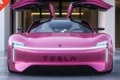
- 2025 Tesla Plane
2025 Tesla Plane Price & Specs , Pros & Cons
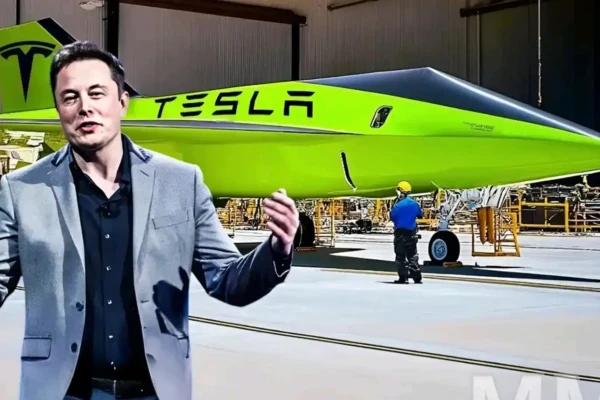
2025 Tesla Plane Pictures
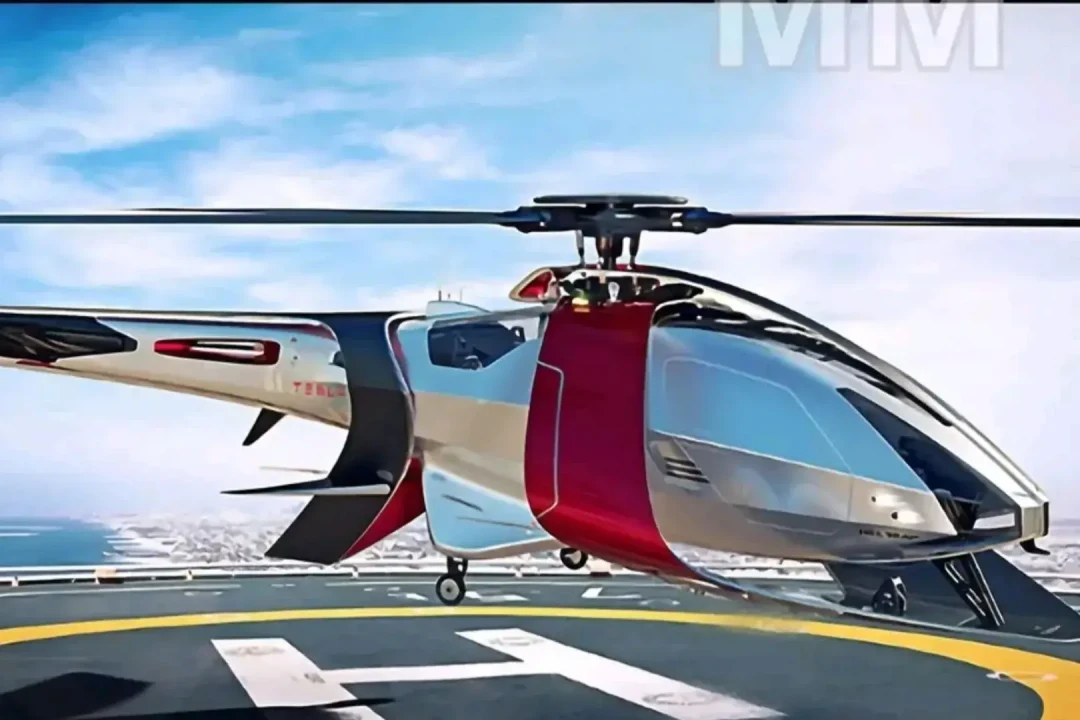
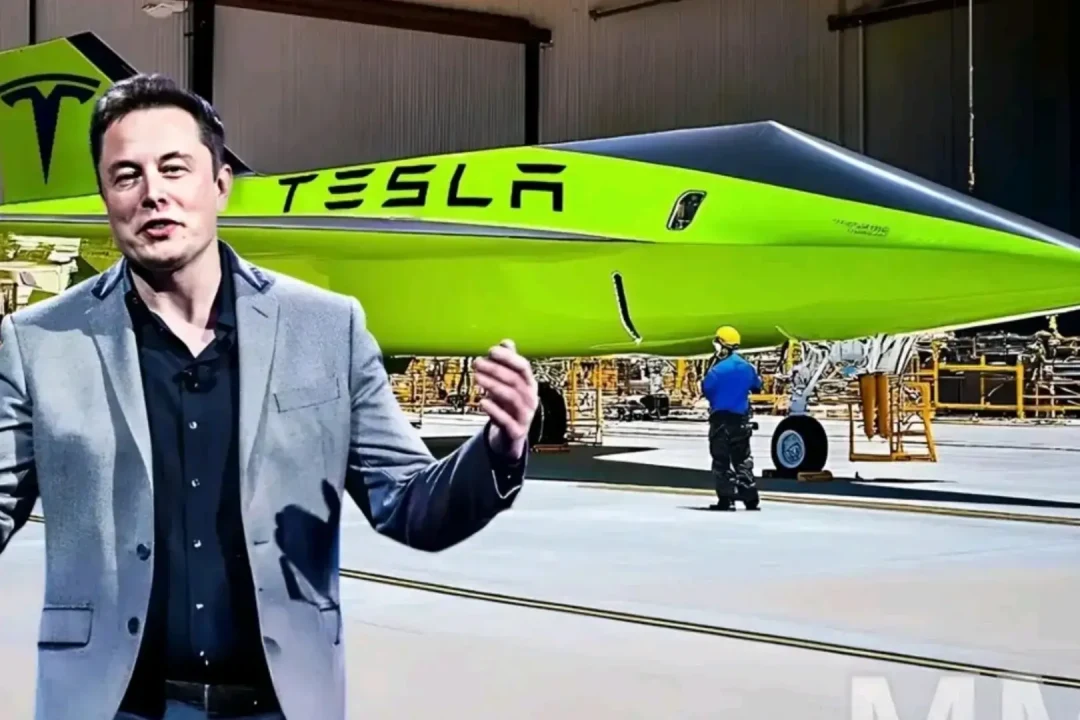

2025 Tesla Plane Price
| Important Note | The price of this device is in US dollars with conversion to local currencies, The price may vary from country to country for several reasons. |
US 
|
2000000 Dollar |
EU 
|
1820000 Euro |
UK 
|
1560000 Pound |
Australia 
|
3000000 Dollar |
Canada 
|
2680000 Dollar |
India 
|
165740000 Rupee |
Indonesia 
|
31076000000 Rupiah |
Philippines 
|
111620000 Peso |
Nigeria 
|
2000000 Naira |
Russia 
|
175920000 Ruble |
Pakistan 
|
553700000 Rupee |
Saudi Arabia 
|
7500000 Riyal |
As of now, Tesla hasn’t officially announced a “Tesla Plane” model. However, Elon Musk has hinted at the possibility of an electric aircraft in the future. While specific details are scarce, we can speculate on potential key features based on Tesla’s existing technology and vision for sustainable transportation:
Potential Key Features of a Tesla Plane:
🔸Electric Propulsion: Utilizing Tesla’s advanced battery technology for zero-emission flight.
🔸Autonomous Flight Capabilities: Leveraging Tesla’s expertise in autonomous driving technology.
🔸Aerodynamic Design: Optimized for efficiency and range.
🔸Luxurious Interior: Spacious and comfortable cabin with advanced amenities.
🔸Cutting-Edge Technology: Innovative features like AI-powered flight assistance and personalized experiences.
🔸Sustainable Materials: Eco-friendly materials and manufacturing processes.
2025 Tesla Plane: Pros
🟢 Sustainability: Likely to be powered by electricity or renewable energy sources, reducing emissions compared to traditional aircraft.
🟢 Advanced Technology: Tesla’s integration of AI and autonomous systems could make flying safer and more efficient.
🟢 Cost Efficiency: Electric propulsion may lower operational costs, including fuel and maintenance.
🟢 Passenger Comfort: Tesla’s focus on design and innovation could provide a luxurious and quiet flight experience.
🟢 Futuristic Appeal: As a pioneer in electric vehicles, Tesla’s foray into aviation could revolutionize the industry.
2025 Tesla Plane: Cons
🔴 Limited Range: Electric aircraft might face challenges with range and battery capacity compared to traditional planes.
🔴 High Initial Costs: Developing and manufacturing cutting-edge aviation technology could lead to high purchase prices.
🔴 Infrastructure: Lack of charging or maintenance facilities for electric aircraft could pose logistical hurdles.
🔴 Regulatory Challenges: Complying with aviation regulations and ensuring safety certifications may delay adoption.
🔴 Unproven Technology: As Tesla’s first attempt in aviation, there might be reliability and performance
2025 Tesla Plane Specifications
SPECIFICATIONS
| Model Year | 2025 |
| RANGE | 300-400 miles (480-640 km) |
| BATTERY | Solid-state batteries with fast-charging capability |
| SPEED | 250-300 mph (400-480 km/h) |
| CHARGING | 30-45 minutes (supercharger) |
| BODY TYPE | Electric Vertical Take-Off and Landing (eVTOL) Aircraft |
| SAFETY | Emergency parachute system, redundant engines, collision avoidance sensors |
| FEATURE | Futuristic lightweight composite materials, panoramic windows |
| SEATING | 4-6 passengers + pilot |
| NOTE | This table is speculative and based on the general vision for futuristic electric aviation. Tesla has not officially announced such a product. |
Pros
| 📚 |
🟢 Sustainability: Likely to be powered by electricity or renewable energy sources, reducing emissions compared to traditional aircraft. 🟢 Advanced Technology: Tesla's integration of AI and autonomous systems could make flying safer and more efficient. 🟢 Cost Efficiency: Electric propulsion may lower operational costs, including fuel and maintenance. 🟢 Passenger Comfort: Tesla's focus on design and innovation could provide a luxurious and quiet flight experience. 🟢 Futuristic Appeal: As a pioneer in electric vehicles, Tesla's foray into aviation could revolutionize the industry. |
Cons
| 📚 |
🔴 Limited Range: Electric aircraft might face challenges with range and battery capacity compared to traditional planes. 🔴 High Initial Costs: Developing and manufacturing cutting-edge aviation technology could lead to high purchase prices. 🔴 Infrastructure: Lack of charging or maintenance facilities for electric aircraft could pose logistical hurdles. 🔴 Regulatory Challenges: Complying with aviation regulations and ensuring safety certifications may delay adoption. 🔴 Unproven Technology: As Tesla's first attempt in aviation, there might be reliability and performance |
The Latest Cars on Cars2wd.com
-
 2027 Toyota Mini Land Cruiser FJ
-
 2027 Jaguar E-Type
-
 2027 Jetour G700
-
 2027 Lexus LM
-
 2027 Ford F-150 Shelby
-
 2027 ZEEKR 8X
-
 2027 Chevrolet Micro Mini Camper
-
 2027 Scania MEGA DECK 6×6
-
 2027 Isuzu Micro Camper
-
 2027 Toyota Titan Terra 6×6
-
 2027 Cadillac Eldorado
-
 2027 Bentley 6×6 Arctic Camper
-
 2027 Citroen C5
-
 2027 Mazda RX-7
-
 2027 Daihatsu Camper Motorhome
-
 2027 Winnebago ARKA 20Z
-
 2027 Toyota 4Runner
-
 2027 Pontiac GTO
-
 2027 Porsche Motorhome
-
 2027 Dodge Caravan
-
 2027 Jaguar GT