
- Cars2wd.com
- Tata
- 2025 Tata Motors
2025 Tata Motors Price & Specs , Pros & Cons
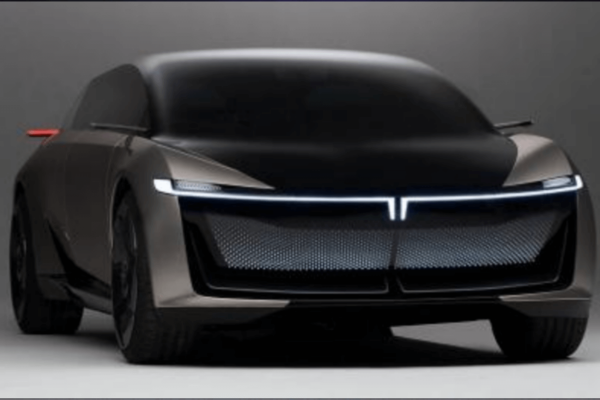
2025 Tata Motors Pictures
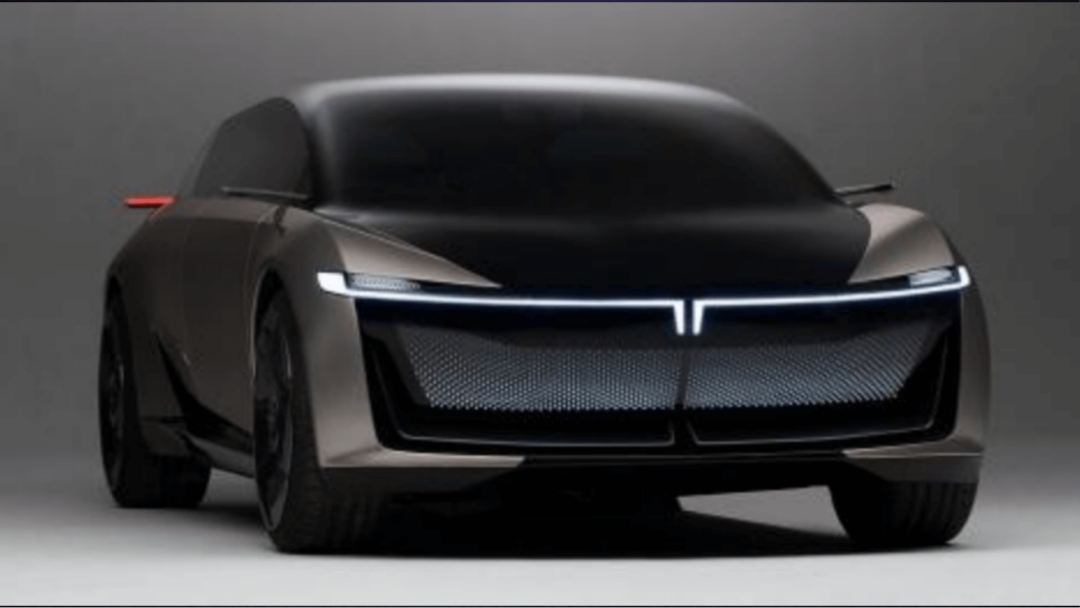
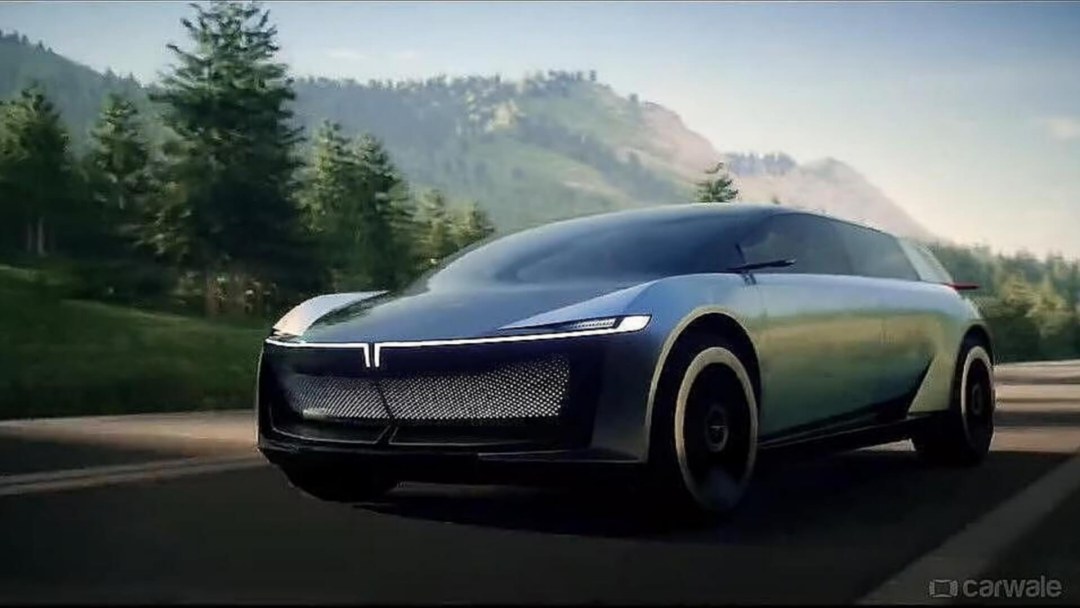
2025 Tata Motors Price
| Important Note | The price of this device is in US dollars with conversion to local currencies, The price may vary from country to country for several reasons. |
US 
|
18000 Dollar |
EU 
|
16380 Euro |
UK 
|
14040 Pound |
Australia 
|
27000 Dollar |
Canada 
|
24120 Dollar |
India 
|
1491660 Rupee |
Indonesia 
|
279684000 Rupiah |
Philippines 
|
1004580 Peso |
Nigeria 
|
18000 Naira |
Russia 
|
1583280 Ruble |
Pakistan 
|
4983300 Rupee |
Saudi Arabia 
|
67500 Riyal |
Tata Motors in 2025: A Drive Towards Electric Future
Tata Motors, a prominent Indian multinational automotive company, is poised to make significant strides in the automotive industry in 2025. With a strong focus on electric vehicles (EVs) and sustainable mobility, the company is well-positioned to lead the charge in the global automotive market.
Key Focus Areas for 2025:
Electric Vehicle Expansion:
🔸Diverse EV Portfolio: Tata Motors aims to introduce a range of electric vehicles across various segments, including passenger cars, SUVs, and commercial vehicles.
🔸Advanced Battery Technology: The company is investing heavily in advanced battery technology to enhance the performance, range, and charging speed of its EVs.
🔸Charging Infrastructure: Tata Motors is actively working on expanding the charging infrastructure in India to address range anxiety and encourage EV adoption.
Sustainable Manufacturing:
🔸Eco-Friendly Practices: The company is committed to adopting sustainable manufacturing practices to reduce its carbon footprint.
🔸Green Supply Chain: Tata Motors is focusing on sourcing eco-friendly materials and minimizing waste throughout its supply chain.
Global Expansion:
🔸International Markets: The company is exploring opportunities to expand its global footprint, particularly in emerging markets.
🔸Strategic Partnerships: Tata Motors is forging strategic partnerships with global automotive players to enhance its technological capabilities and market reach.
Customer-Centric Approach:
🔸Innovative Features: The company is prioritizing the development of innovative features and technologies to enhance the driving experience.
🔸Connected Car Solutions: Tata Motors is investing in connected car technology to provide seamless connectivity and personalized services to its customers.
2025 Tata Motors Specifications
SPECIFICATIONS
| Model Year | 2025 |
| ENGINE | Petrol, Diesel, Electric (varies by model) |
| TRANSMiSSION | Manual, Automatic, CVT |
| BODY TYPE | Varies (Hatchback, SUV, Sedan, etc.) |
| SAFETY | Multiple airbags, ABS with EBD, Electronic stability control, Hill hold control, Rear parking sensors, Rearview camera, Autonomous emergency braking (in some models) |
| INTERIOR | Touchscreen infotainment system, Smartphone connectivity (Android Auto, Apple CarPlay), Automatic climate control, Cruise control, Push-button start, Digital instrument cluster, Connected car technology |
| EXTERIOR | LED headlights and taillights, Alloy wheels, Roof rails (optional), Fog lights, Aerodynamic design |
| FEATURE | Electric sunroof, Panoramic sunroof, Premium audio system, Adaptive cruise control, Lane-keeping assist, Adaptive headlights |
Pros
| 📚 |
✅ Strong Focus on Electric Vehicles: Tata Motors is at the forefront of the electric vehicle revolution in India, offering a diverse range of EVs to cater to different customer needs. ✅ Advanced Technology: The company is investing heavily in research and development to incorporate advanced technologies like battery technology, connectivity, and autonomous driving features into its vehicles. ✅ Value for Money: Tata Motors is known for offering competitive pricing, making its vehicles accessible to a wider range of customers. ✅ Strong Domestic Market Presence: With a strong foothold in the Indian market, Tata Motors has a deep understanding of customer preferences and can tailor its products accordingly. ✅ Growing Global Presence: The company is expanding its global footprint, which could lead to increased sales and brand recognition. ✅ Commitment to Sustainability: Tata Motors is committed to sustainable manufacturing practices and reducing its carbon footprint. |
Cons
| 📚 |
❌ Limited Range in Some EV Models: While the company is making significant strides in battery technology, the range of some of its earlier EV models might be limited compared to competitors. ❌ Charging Infrastructure: The development of a robust charging infrastructure in India and other markets is crucial for the widespread adoption of EVs. ❌ After-sales Service: The quality of after-sales service may vary depending on the location and dealership. ❌ Competition: The automotive industry is highly competitive, and Tata Motors will face stiff competition from both domestic and international players. |


The Latest Cars on Cars2wd.com
-
 2027 Toyota Nomad Camper
-
 2027 Mazda CX-6e
-
 2027 Rolls-Royce Phantom
-
 2027 Volvo XC40
-
 2027 Nissan Micro Camper
-
 2027 Honda Odyssey
-
 2027 BYD Sealion 08
-
 2027 Toyota Ironpeak 6×6
-
 2027 Jetour Dashing
-
 2027 Kia PV5
-
 2027 Peugeot 504
-
 2027 Kia PV7
-
 2027 Chevrolet Impala
-
 2027 Bugatti Motorhome
-
 2027 Iveco Gredia 5K Campervan
-
 2027 Lada Granta Camper
-
 2027 Land Rover Freelander 8
-
 2027 Renault Kwid
-
 2027 Alfa Romeo Stelvio
-
 2027 Citroën 2CV
-
 2027 Mitsubishi Mini Camper